What Is a SCIF? Requirements and What It Takes to Build One
A SCIF (pronounced “skiff”) is a Sensitive Compartmented Information Facility: an accredited room, suite of rooms or entire building where classified information at the Sensitive Compartmented Information level can be stored, processed, discussed and transmitted. SCIFs are used by federal agencies, the military and the defense contractors that support them. Building or cabling one is nothing like a normal commercial fit-out, which is why facility owners and prime contractors look for subcontractors who have done it before.
What SCIF Stands For and Who Sets the Rules
SCIF stands for Sensitive Compartmented Information Facility. The physical and technical requirements come from Intelligence Community Directive 705 (ICD 705) and its companion technical specifications, published by the Office of the Director of National Intelligence. Every SCIF is reviewed and accredited by an Accrediting Official before it can be used, and it is inspected periodically afterward.
What Makes a SCIF Different From a Secure Office
A secure office keeps unauthorized people out. A SCIF is designed to keep information in. That means the standards address sound, electronic emissions, physical penetration and every cable and pipe that crosses the perimeter. The main areas are:
Perimeter construction
Walls, floors and ceilings built to specified construction methods from true floor to true ceiling, with penetrations controlled and documented. Doors and hardware meet specific standards and are the only approved way in and out.
Acoustic protection
Walls, doors and ductwork are rated so that conversations inside cannot be understood outside. Sound masking is sometimes added.
Access control and intrusion detection
An access control system that records entry, an intrusion detection system covering the perimeter and interior, and alarm monitoring by a cleared response force. Visitor control and escort procedures are part of the facility’s Fixed Facility Checklist.
Telecommunications and TEMPEST
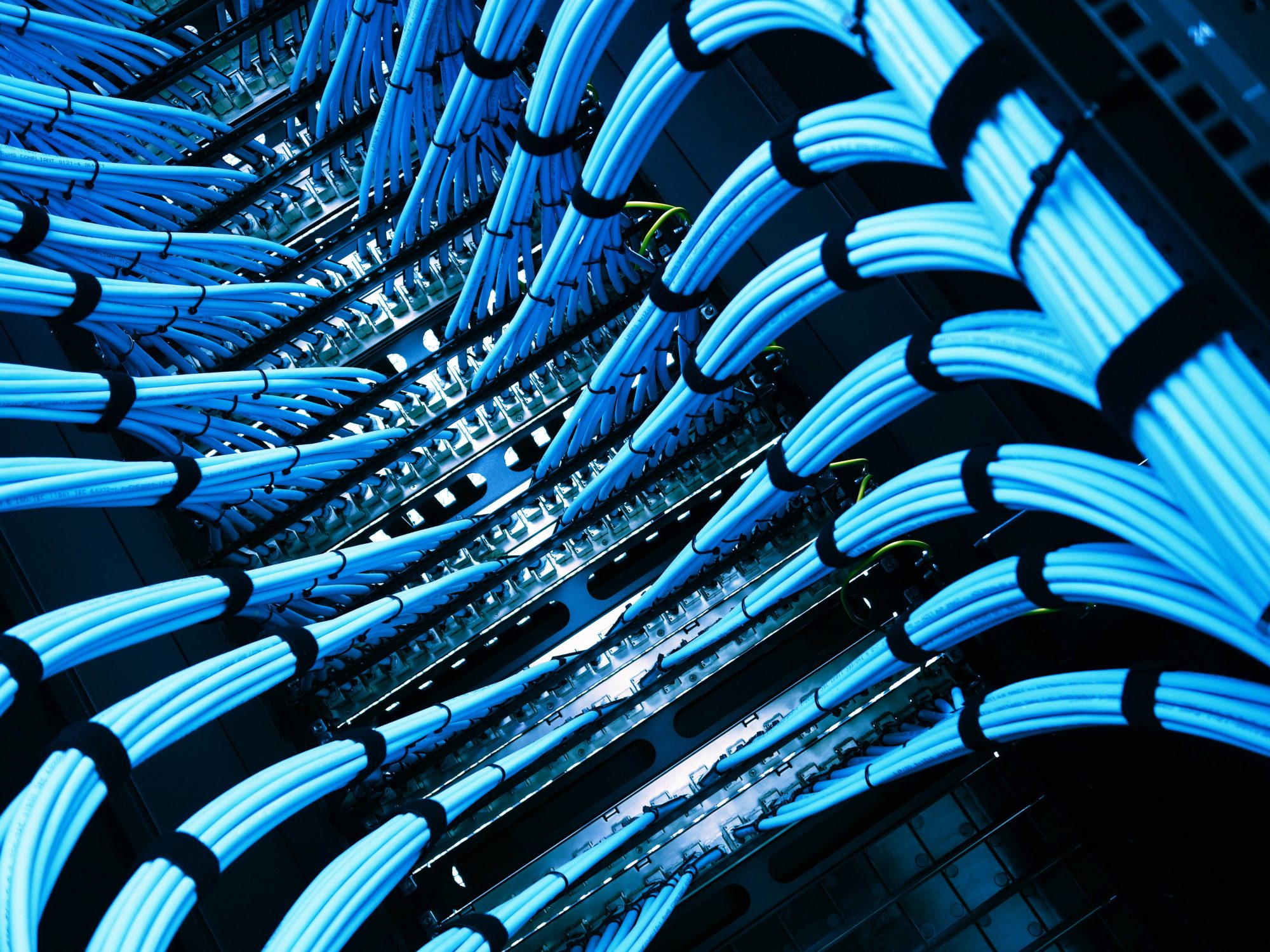
Classified and unclassified networks are physically separated. Cable types, colors, labeling, pathways and separation distances are specified. Some facilities require TEMPEST countermeasures to control electromagnetic emissions. Every cable that enters or leaves the SCIF is inspected and documented, and unapproved wireless devices are generally prohibited inside.
Documentation
Construction drawings, the Fixed Facility Checklist, TEMPEST assessments and as-built documentation for every system are part of accreditation. If it is not documented, it does not pass.
Communications Infrastructure Inside a SCIF
From a cabling contractor’s point of view, SCIF work means:
- Separate, clearly identified cabling plants for each network classification, with the required physical separation and color coding.
- Fiber or shielded copper where the specification calls for it, terminated in secured, inspectable enclosures.
- Protected distribution systems or approved pathways for any classified cable that leaves the accredited space.
- Access control, intrusion detection and video components installed and documented to the facility security plan.
- Material control, escorted work and a disciplined process so every penetration and every cable can be accounted for at inspection.
The contractor’s team also needs to understand escort procedures and the coordination required with facility security officers and government representatives. Working inside an accredited space is a different pace than a normal job site.
Who Needs a SCIF?
Federal agencies and military commands, and increasingly defense and intelligence contractors who must process classified information at their own facilities to perform a contract. In Virginia, demand is concentrated around Northern Virginia, Hampton Roads and the installations near Fredericksburg, where contractors build or expand accredited space to win and keep work.
Frequently Asked Questions
What is the difference between a SCIF and a secure room or vault?
A vault is a construction standard for storing classified material. A SCIF is an accredited facility for using Sensitive Compartmented Information, with requirements that cover acoustics, emissions, telecommunications and procedures, not just physical strength.
Who can build a SCIF?
Construction is typically performed by contractors working under the direction of the accrediting authority and the facility’s security officer, often with cleared personnel. Specialty trades such as low voltage and security systems are frequently subcontracted to firms with prior SCIF experience and the right registrations.
Can a SCIF be built inside an existing office?
Yes. Many SCIFs are built as a room or suite inside a commercial building, as long as the construction, acoustic and technical requirements can be met.
Can phones and laptops be used inside a SCIF?
Personal electronic devices are generally prohibited. Approved equipment is specified by the facility’s security plan.
Experienced in Secure Facilities
CCS Communications has delivered communications infrastructure inside SCIFs and other secured government and military environments. We hold a Virginia Class A contractor license, DCJS registration and a CAGE code, and we are SWaM and WBENC certified. See our SCIF and secure facility cabling service or contact us to discuss a project.
More Insights and Content
There is always more to learn and our team stays on top of whats happening in the industry.